
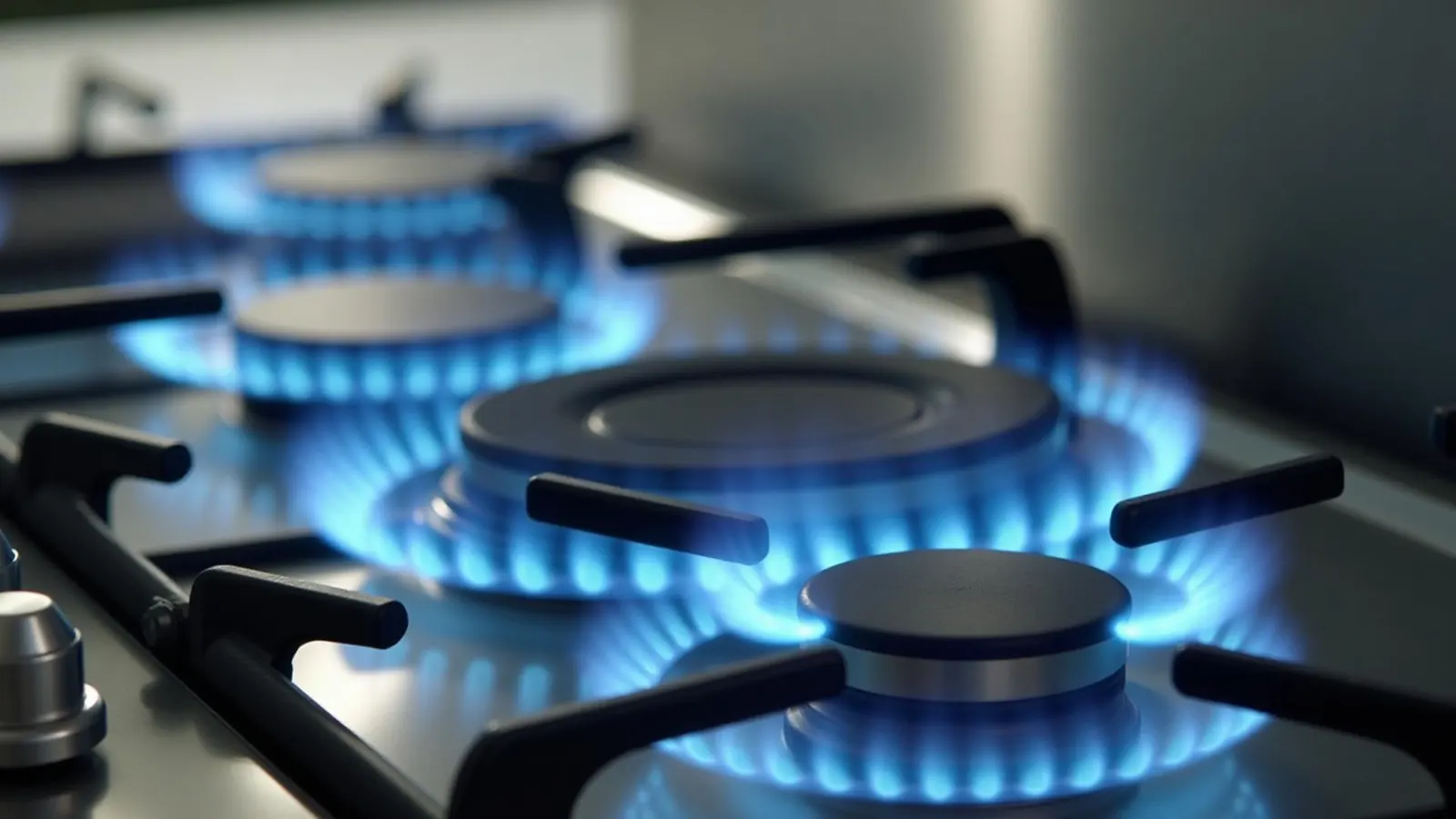
If you have an emergency contact the National Gas Emergency Service on 0800 111 999
Gas leaks in residential properties can pose a significant risk to safety, health, and property. Natural gas is widely used for heating, cooking, and powering appliances, making it an essential resource for many households. However, when a gas leak occurs, it can result in hazardous situations, including fires, explosions, and health issues caused by inhaling gas fumes. In this guide, we'll explore how to detect a gas leak, steps to make your home safe, and what to do to resolve the issue.
Detecting a Gas Leak
Early detection of a gas leak is crucial to prevent potential disasters. Here are some common indicators to watch for:
1. Smell
One of the most noticeable signs of a gas leak is a distinct smell. Utility companies add a chemical called mercaptan to natural gas to give it a strong, sulphur-like odour, similar to rotten eggs. If you detect this smell, it's important to act quickly.
2. Hissing Sounds
A gas leak can sometimes produce a hissing or whistling sound near gas lines or appliances. This could indicate that gas is escaping from a cracked or damaged pipe.
3. Physical Symptoms
Exposure to leaking gas can cause symptoms such as headaches, dizziness, nausea, fatigue, or difficulty breathing. If you or your family experience these symptoms and suspect a gas leak, evacuate immediately and seek medical attention if necessary.
4. Visual Signs
Look out for signs like dying plants near gas lines, dirt blowing into the air, or visible damage to gas pipes. These can all be indicators of a leak.
5. Higher Gas Bills
An unexplained increase in your gas bill could be a sign of a gas leak. Even a small leak can cause your usage to spike.
Making Your Home Safe
Preventing gas leaks and minimising their risks involves proper maintenance and proactive measures. Here's how to keep your home safe:
1. Regular Inspections
Schedule regular inspections of your gas appliances, pipes, and fittings by a qualified Gas Safe registered engineer. Routine maintenance can identify potential issues before they become serious.
2. Install Gas Detectors
Installing gas detectors in your home is a valuable safety measure. These devices can detect the presence of gas and alert you with an alarm. Choose models with battery backup for continuous protection.
3. Proper Ventilation
Ensure that areas with gas appliances, such as kitchens and boiler rooms, are well-ventilated. This helps disperse any small amounts of gas that might leak, reducing the risk of accumulation.
4. Educate Your Household
Teach everyone in your household how to recognise the signs of a gas leak and the steps to take if one occurs. Knowing what to do can save lives in an emergency.
5. Check Connections
Inspect the connections to your gas appliances for any signs of wear or damage. Loose or damaged fittings can lead to leaks over time.
What to Do if You Suspect a Gas Leak
If you suspect a gas leak in your home, it's vital to act swiftly and carefully. Follow these steps:
1. Evacuate Immediately
Leave the property immediately and ensure that everyone else does the same. Do not try to locate the source of the leak or delay evacuation.
2. Avoid Using Electrical Devices
Do not use electrical devices, light switches, or anything that could produce a spark, as this can ignite the gas and cause an explosion.
3. Turn Off the Gas Supply
If it is safe to do so, turn off the gas supply at the main shut-off valve. This is typically located near the gas meter.
4. Call for Help
Once outside and at a safe distance from the property, call the National Gas Emergency Service on 0800 111 999 to report the gas leak. You can also contact your gas supplier for further assistance.
5. Do Not Re-enter the Property
Do not go back into the property until it has been declared safe by a professional.
Correcting a Gas Leak
Addressing a gas leak requires professional intervention. Here are the key steps involved:
1. Contact a Gas Safe Registered Engineer
Only a Gas Safe registered engineer is qualified to inspect and repair gas appliances and pipelines. They will identify the source of the leak and carry out the necessary repairs.
2. Replace Damaged Components
If the gas leak is due to damaged pipes or appliances, the affected components may need to be replaced. Ensure that any replacement parts meet industry standards and are installed correctly.
3. Pressure Testing
After repairs are completed, the engineer will conduct a pressure test to ensure there are no further leaks and that the system is functioning properly.
4. Ventilate the Property
Once the leak is resolved, ventilate your home thoroughly by opening windows and doors to remove any residual gas.
Long-Term Prevention
To prevent future gas leaks, adopt these practices:
- Schedule annual maintenance for your gas boiler and other appliances.
- Replace outdated or poorly maintained equipment with newer, energy-efficient models.
- Keep a record of maintenance and inspection dates.
- Ensure any work involving gas appliances is carried out by a certified professional.
Conclusion
Gas leaks in residential properties are a serious concern, but they can be detected and addressed with the right knowledge and precautions. Regular maintenance, awareness of warning signs, and swift action in the event of a suspected leak are key to ensuring the safety of your home and loved ones.
By taking these steps, you can significantly reduce the risks associated with gas leaks. If you suspect a gas leak, always prioritise safety by evacuating the property and seeking professional help. Remember, when it comes to gas safety, prevention and prompt action are the best defences.